 Open Access
 Subscription Access
Frequency, Causes, Inheritance, Signs as well as Symptoms, Disorders with Similar Symptoms of Phospho Glycerate Kinase Deficiency
Abstract
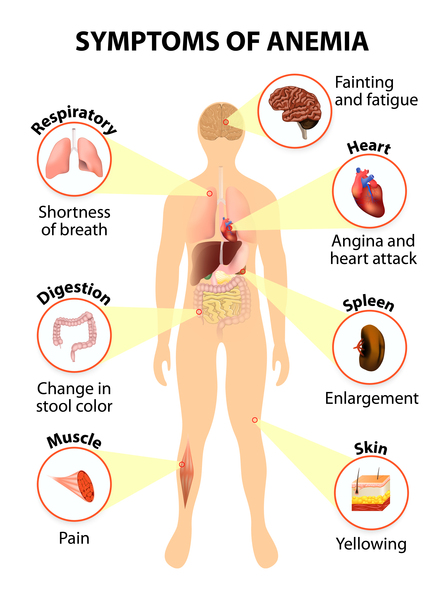
Phosphoglycerate kinase deficiency is a genetic disorder that influences the body's capability to disintegrate the simple sugar glucose, which is the primary energy source for most cells. Researchers have narrated two major forms of the condition. The most common form is sometimes termed as the hemolytic form. It is manifested by a condition termed as chronic hemolytic anemia, in which red blood cells are disintegrated. (undergo hemolysis) prematurely. Chronic hemolytic anemia can result in unusually pale skin (pallor), yellowing of the eyes and skin (jaundice), fatigue, shortness of breath as well as a rapid heart rate. In addition to intellectual disability, seizures, and stroke, some individuals with the hemolytic form also show signs of aberrant brain function.
References
Aasly, J., van Diggelen, O. P., Boer, A. M., & Bronstad, G. (2000). Phosphoglycerate kinase deficiency in two brothers with McArdle-like clinical symptoms. European Journal of Neurology, 7(1), 111–113. https://doi.org/10.1046/j.1468-1331.2000.00012.x
Beutler, E. (2007). PGK deficiency. British Journal of Haematology, 136(1), 3–11. https://doi.org/10.1111/j.1365-2141.2006.06351.x
Flanagan, J. M., Rhodes, M., Wilson, M., & Beutler, E. (2006). Identification of a recurrent phosphoglycerate kinase mutation associated with chronic haemolytic anaemia and neurological dysfunction in a family from the USA. British Journal of Haematology, 134(2), 233–237. https://doi.org/10.1111/j.1365-2141.2006.06143.x
Noel, N., Flanagan, J. M., Ramirez Bajo, M. J., Kalko, S. G., Manu, M. del M., Garcia Fuster, J. L., Perez de la Ossa, P., Carreras, J., Beutler, E., & Vives Corrons, J. L. (2006). Two new phosphoglycerate kinase mutations associated with chronic haemolytic anaemia and neurological dysfunction in two patients from Spain. British Journal of Haematology, 132(4), 523–529. https://doi.org/10.1111/j.1365-2141.2005.05882.x
Sotiriou, E., Greene, P., Krishna, S., Hirano, M., & DiMauro, S. (2010). Myopathy and parkinsonism in phosphoglycerate kinase deficiency. Muscle & Nerve, 41(5), 707–710. https://doi.org/10.1002/mus.21612
Spiegel, R., Gomez, E. A., Akman, H. O., Krishna, S., Horovitz, Y., & DiMauro, S. (2009). Myopathic form of phosphoglycerate kinase (PGK) deficiency: A new case and pathogenic considerations. Neuromuscular Disorders, 19(3), 207–211. https://doi.org/10.1016/j.nmd.2008.12.004
Svaasand, E. K., Aasly, J., Landsem, V. M., & Klungland, H. (2007). Altered expression of PGK1 in a family with phosphoglycerate kinase deficiency. Muscle & Nerve, 36(5), 679–684. https://doi.org/10.1002/mus.20859
Online Mendelian Inheritance in Man (OMIM). (2015). Phosphoglycerate kinase 1; PGK1 (Entry No. 311800). Johns Hopkins University. https://omim.org/entry/311800
Katirji, B. (2014). Metabolic myopathies. Medscape. https://emedicine.medscape.com/article/1173338-overview
Orphanet. (2008). Phosphoglycerate kinase 1 deficiency. https://www.orpha.net/consor/cgi-bin/OC_Exp.php?lng=EN&Expert=713
Muscular Dystrophy Association. (2015). Phosphoglycerate kinase deficiency. https://www.mda.org/disease/metabolic-diseases-of-muscle/phosphoglycerate-kinase-deficiency
Refbacks
- There are currently no refbacks.